
Table of Contents
HMDDLA Explained: Understanding the Label’s Los-Angeles Origins and Character
HMDD did not emerge from a corporate meeting room or a forecasted trend cycle. The moniker itself, an acronym for “Happy Memories Don’t Die,” conveys an emotional weight that most streetwear brands avoid. In place of running after trend surges, the brand draws on wistful recollection, personal history, and the notion that apparel can serve as a vessel for feeling rather than merely a showcase of style. The “LA” attached to the brand, commonly rendered as HMDDLA, is no mere flourish. It points to a particular location, a particular rhythm of living, and a distinct artistic bloodline that shapes how the items are designed, cut, and marketed. Because the brand is founded on recollection and lasting worth, grasping HMDDLA requires seeing why its LA character matters this much.
Here, we dissect what HMDDLA actually stands for, examine how its LA tie surfaces across the collection, and position the brand alongside rivals in the affordable streetwear market. We also take a look at tangible specifics across the 2026 catalog as it stands, including sweatpants and shorts, and provide an straightforward HMDD review take based on how it fits, how it’s made, and where it’s priced.
Decoding the Meaning Behind HMDDLA
That foundational phrase “Happy Memories Don’t Die” is not just a catchphrase printed on a garment tag. It embodies a design philosophy where pieces are designed to outlive trends, both physically and emotionally. HMDD garments is built around the idea that a hoodie or a set of joggers can become tied to a specific memory, a specific year, a particular person, and that the piece should still feel relevant a half-decade or a decade on. The “LA” suffix in HMDDLA ties this philosophy to a place. LA hmddoutlet has a long history of producing streetwear labels that merge laid-back West Coast style with sharper, more considered design details, and rather than standing apart from that lineage, HMDD places itself within it.
Practically speaking, HMDDLA operates as a dual-purpose marker online — part place-name, part brand label. Buyers looking up the label often use HMDDLA interchangeably with HMDD, and the brand has run with this by keeping its visual identity rooted in LA imagery: softened hues, weathered-looking graphics, and a overall look that reads more like a pared-back California style than East Coast maximalism. This is an intentional decision. The LA identity is not a marketing gimmick bolted onto an otherwise generic label. It informs fabric choices, wash treatments, and even the pacing of drops, which typically move at a slower, more seasonal rhythm than fast-fashion competitors.
LA-Inspired Design Cues Throughout the Lineup
Six or seven years ago, Los-Angeles-based streetwear labels were defined almost entirely by oversized graphic tees. HMDD has moved past that formula. The present collection spans hoodies, tees, sweatpants, and shorts, with every piece offering quiet references to the city instead of overt logos. The cut stays loose but tailored, prints sit off-center, and the color scheme leans toward muted tones rather than saturated primaries. It’s this understatement that distinguishes HMDD clothing from brands depending purely on visible branding to move product.
That approach plays out clearly in the sweatpants line. HMDD sweatpants are cut with a narrowing leg line and an elastic waistband designed for layering, something that’s relevant in a city with cool mornings and warmer afternoons. The weight of the fabric stays moderate, warm enough for cooler stretches yet light enough to avoid discomfort when temperatures rise in LA. A similar principle applies to the shorts. HMDD shorts are designed with a longer-than-usual inseam than typical basketball-style shorts, a trait that’s made them a favorite with buyers who want a streetwear silhouette without looking like activewear.
Here’s a side-by-side look at HMDD’s essential bottoms line versus two widely available alternatives in a similar price range, grounded in openly shared specifications and recurring buyer feedback.
| Feature | HMDD Sweatpants | Generic Streetwear Sweatpants | HMDD Shorts |
|---|---|---|---|
| Silhouette | Narrowing leg, loose through the thigh | Square-cut, even width throughout | Easy fit, longer-than-usual inseam |
| Waistband | Elasticized, drawstring-equipped | Elastic only | Stretch band paired with a drawstring |
| Design Detail | Graphics placed asymmetrically | Logo printed dead-center | Subtle side-placed logo |
| Ideal Season | Autumn into spring | From fall to spring | Spring through summer |
How HMDD Positions Itself Among Competitors
By 2026, the streetwear market is saturated by labels pursuing a handful of identical looks: distressed vintage, minimalist logo-driven, and graphic-loaded maximalism. HMDD carves out a tighter niche by blending emotional branding with LA-specific design cues, narrowing the field of direct rivals but also means the label must put in extra effort to communicate who it is to new shoppers. It’s here the phrase “happy memories dont die” functions as much as a search-visibility tool as it does as a guiding idea, showing up consistently in product write-ups, social captions, and community chatter.
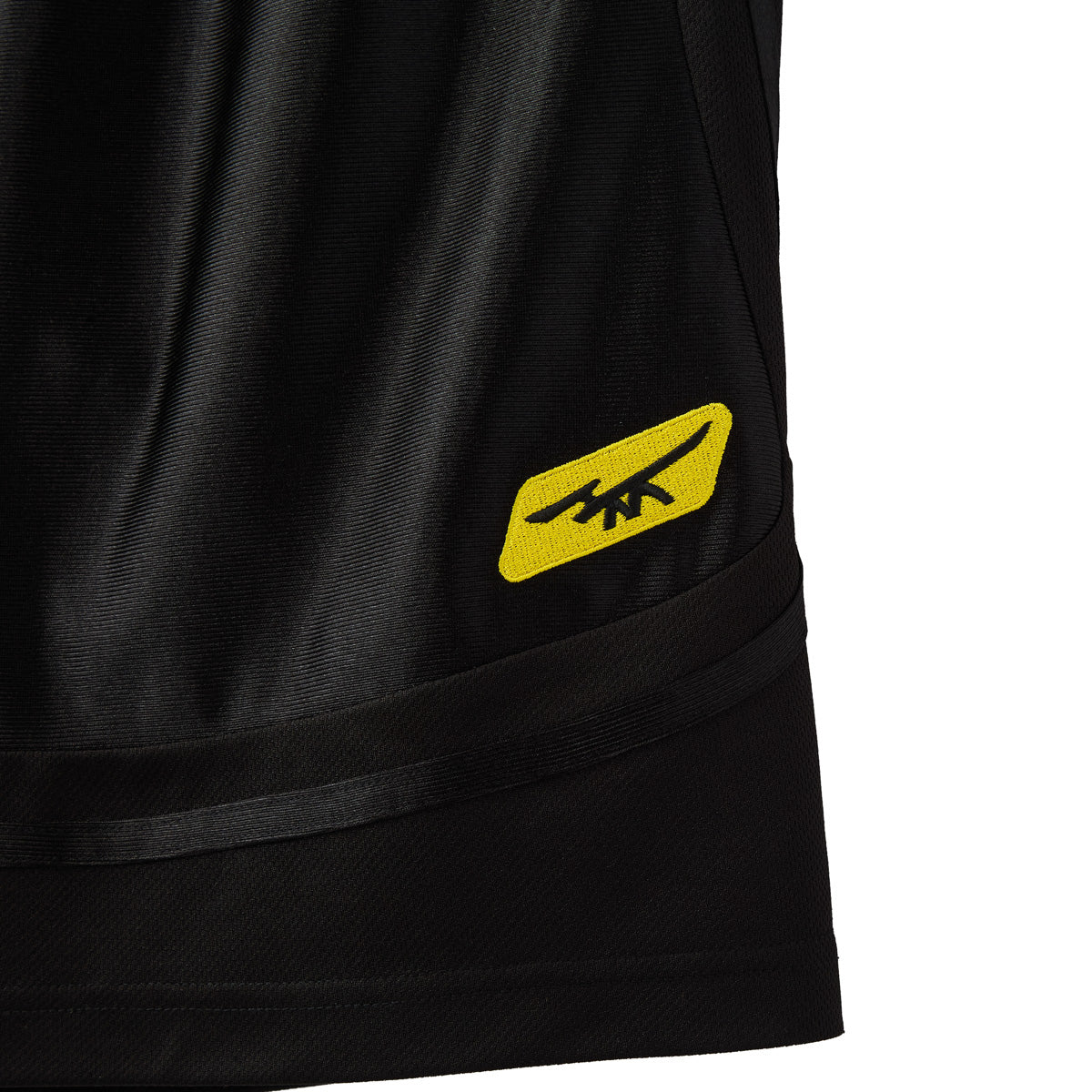
When people ask which is the best HMDD clothing to start with, the sweatpants and shorts consistently come up as entry points, largely because they carry the brand’s design language without requiring buyers to commit to a bold graphic hoodie right away. This makes the bottoms line a practical gateway into the label for shoppers who are curious but cautious. This also accounts for why HMDD reviews found online concentrate largely on fit consistency for these items rather than graphic tees, where expectations around fit are looser.
A Critical Look at HMDD, Viewed Closely
A fair HMDD review must separate sentimental brand identity from actual product craftsmanship, because both elements are not always evaluated the same way by shoppers. On the branding side, the “Happy Memories Don’t Die” concept strikes a chord with shoppers who want garments rooted in something more personal than a logo. This has allowed HMDD build a devoted community rather than a strictly sales-driven one, which is unusual for a brand still gaining traction outside of LA’s local scene.
On the product side, customer commentary tends to center on three factors: the weight of the fabric, how true the sizing runs, and longevity of the print. HMDD sweatpants and shorts tend to rate highly on sizing accuracy, with most shoppers observing that sizing runs true consistently across the current size range. Reviewers describe the fabric weight as mid-heavy, suitable for transitional weather as opposed to extreme cold. Long-term print performance is where feedback diverges the most, with some customers noting strong durability and others noting some fading after 15 to 20 wash cycles, which is fairly typical for screen-print streetwear pieces at this price point.
One should note that HMDD does not rely on attention-grabbing limited-drop promotional strategies to the same degree as some competitors. Inventory replenishments tend to happen on a more consistent rhythm, which reduces the rushed purchasing typical of hype-driven streetwear and and in turn fosters a steadier, longer-lasting bond with buyers.
Why LA Roots Matter Over Time
Brand identity tied to a particular city can be a liability if the city’s cultural relevance changes, but it can also be a asset if the brand approaches the location as a creative parameter rather than a marketing prop. HMDDLA has followed the latter path. The LA connection surfaces in small, consistent details: palettes drawn from the city’s scenery and light, material weights matched to a climate that rarely dips into extreme cold, and a general production rhythm that prioritizes craftsmanship over chasing fast trends.
This approach positions HMDD well for 2026 and beyond, especially since customers turn more wary of brands with no distinct identity. A label built around memory, permanence, and a specific place has a deeper story to tell over interchangeable streetwear brands that lack any real sense of origin. Whether a customer is buying their first pair of HMDD sweatpants, sizing up HMDD shorts against other options in the same price range, or simply looking to make sense of what HMDDLA means as a concept, the common thread remains constant: this is a brand that treats clothing as something meant to be remembered, not just a garment worn and forgotten.